
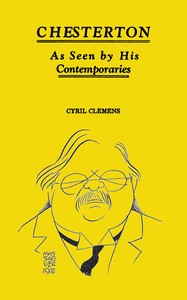
Chesterton, as seen by his contemporaries by Cyril Clemens
Forget dry timelines and academic analysis. Cyril Clemens gives us something far better: a living portrait of G.K. Chesterton, painted by the people who knew him. Clemens spent years collecting personal memories, letters, and anecdotes from a who's who of the early 20th century. The result is a book that feels less like a biography and more like a series of intimate, after-dinner conversations.
The Story
There isn't a traditional plot here. Think of it as a mosaic. Each chapter or section introduces you to another person from Chesterton's world—fellow writers like Hilaire Belloc and Maurice Baring, his secretary Dorothy Collins, even his barber. They all share their personal stories. You'll read about Chesterton's legendary debates with George Bernard Shaw, which were more like friendly theatrical performances than angry arguments. You'll hear about his profound absent-mindedness (losing train tickets, forgetting appointments) paired with his breathtaking generosity and loyalty. The book moves from his roaring public persona to quiet moments of private faith and friendship, building a full, rounded, and often very funny picture of the man.
Why You Should Read It
This book completely changed how I see Chesterton. I knew he was a great thinker, but Clemens shows he was an even better human being. The recurring theme from every single person—friend or foe—is his immense kindness. He treated everyone, from famous authors to newspaper boys, with the same genuine respect. Reading these accounts, you stop seeing him as just a "writer" and start seeing him as a force of nature: a man of immense physical and intellectual presence who used all of it to champion joy, wonder, and the common man. It makes his essays and stories feel more personal, like you're getting advice from a wonderfully eccentric uncle.
Final Verdict
This is the perfect book for anyone who's ever been intrigued by G.K. Chesterton. If you only know Father Brown, this will give you fantastic background. If you love his non-fiction, this explains the radiant personality behind those powerful ideas. It's also a treat for anyone interested in the literary world of the early 1900s, seeing figures like Shaw and Wells in a casual, personal light. It’s not a critical study of his work; it's a loving collection of memories that, page by page, brings a giant back down to earth, only to show you how truly extraordinary he was.
This content is free to share and distribute. Access is open to everyone around the world.
Robert Rodriguez
9 months agoA brilliant read that I finished in one sitting.
Kimberly Jackson
10 months agoGreat digital experience compared to other versions.
Edward Jones
10 months agoHelped me clear up some confusion on the topic.
William Taylor
6 months agoA bit long but worth it.


William Davis
2 years agoI stumbled upon this title during my weekend research and the nuanced approach to the central theme was better than I expected. This is a solid reference for both beginners and experts.